DIVING EQUIPMENTS
Air Decompression Chamber
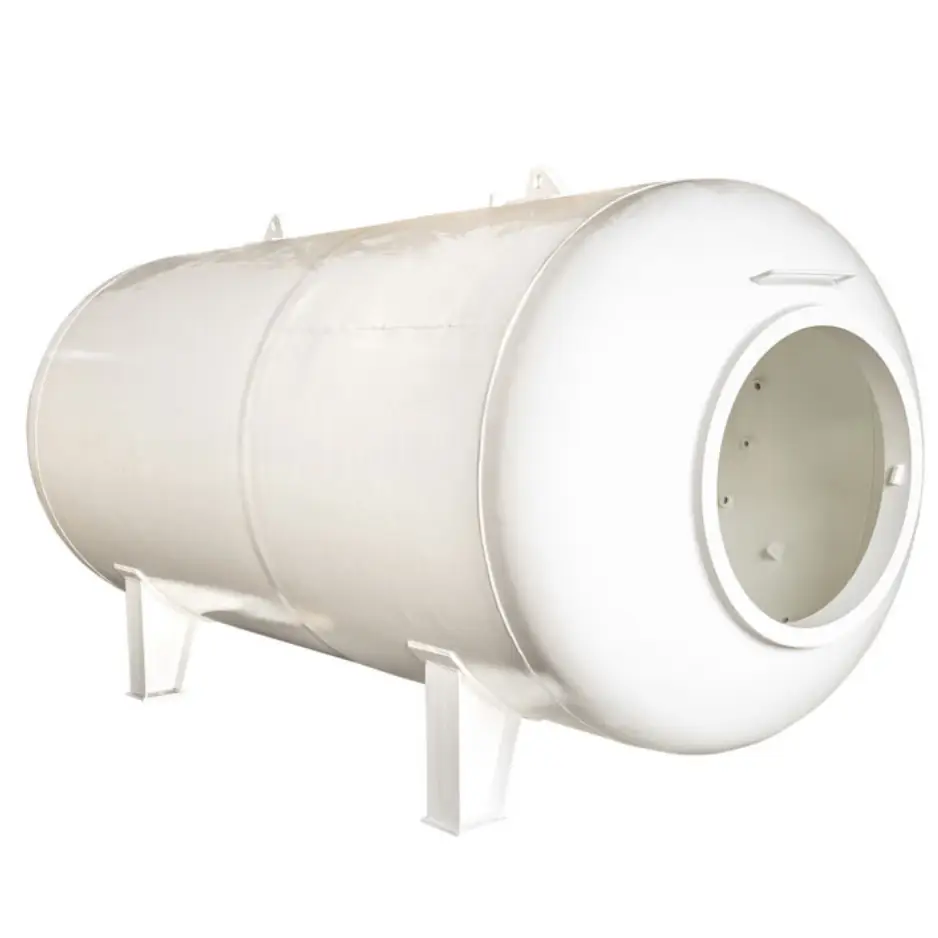
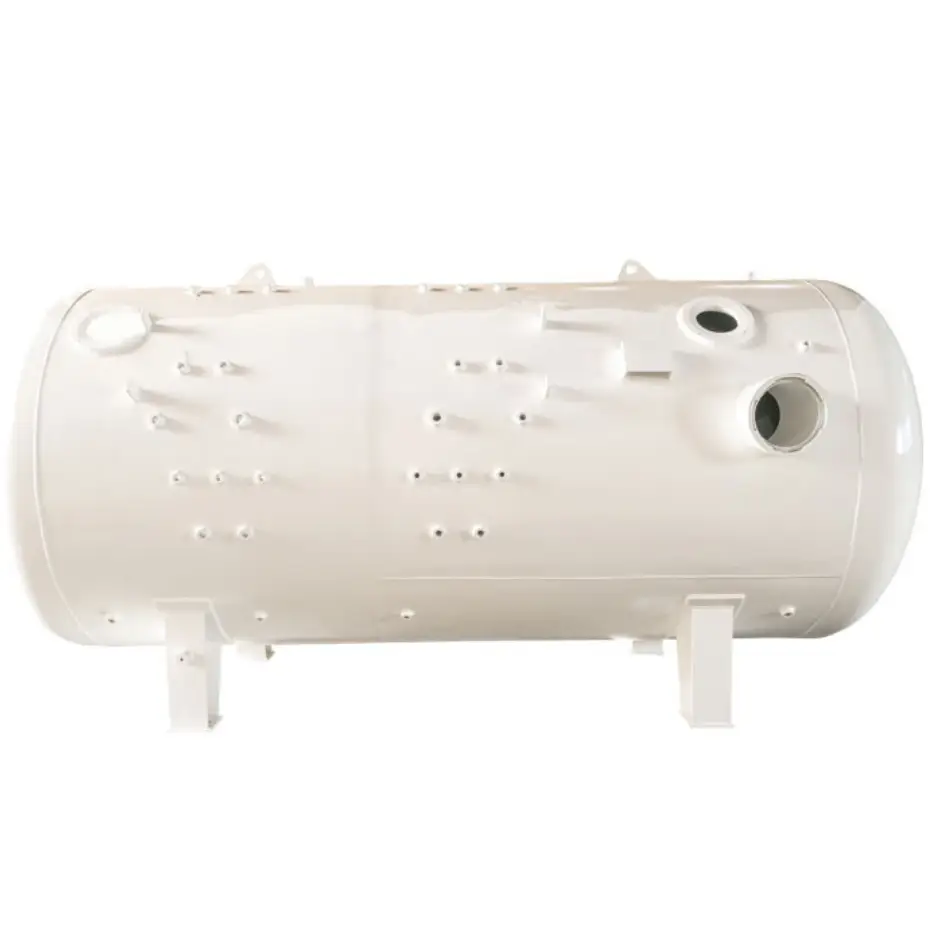
The air decompression chamber is designed for controlled decompression and recompression of divers engaged in commercial and offshore diving operations. This system, also referred to as an air dive chamber, recompression chamber, hyperbaric air chamber, or air pressure chamber, is intended for safe human occupancy under pressurized conditions. The chamber can be integrated into surface-oriented diving systems and supplied in various system integration configurations and customization options to suit offshore vessels, platforms, or land-based diving facilities.
With over 23 years of engineering experience in subsea and diving life-support systems, JK Subsea delivers certified diving chambers built for demanding offshore and marine environments. The company operates under established quality and safety management systems and follows internationally recognized pressure vessel and diving equipment standards for design, manufacturing, inspection, and testing. JK Subsea also manufactures specialized hyperbaric systems such as the HBOT Chamber for medical and therapeutic applications.
JK Subsea is a specialized manufacturer and supplier of air decompression chambers, providing fully integrated recompression chamber systems for commercial diving contractors, offshore operators, and marine engineering companies worldwide.
JK Subsea combines practical offshore project experience with certified engineering processes to ensure product reliability and diver safety. Every air decompression chamber is manufactured using approved materials, qualified welding procedures, third-party inspection, and documented testing in accordance with IMCA guidelines and PVHO pressure vessel requirements. This ensures consistent performance, regulatory compliance, and operational safety in professional diving environments.
Chamber Description
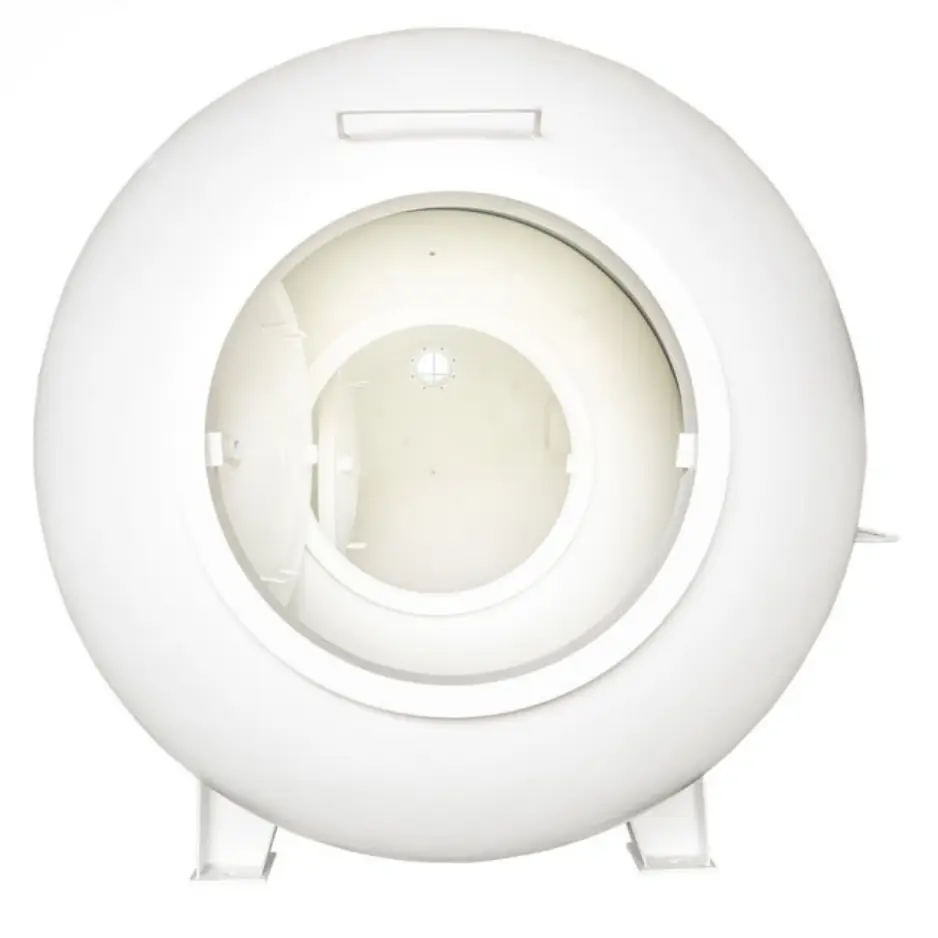
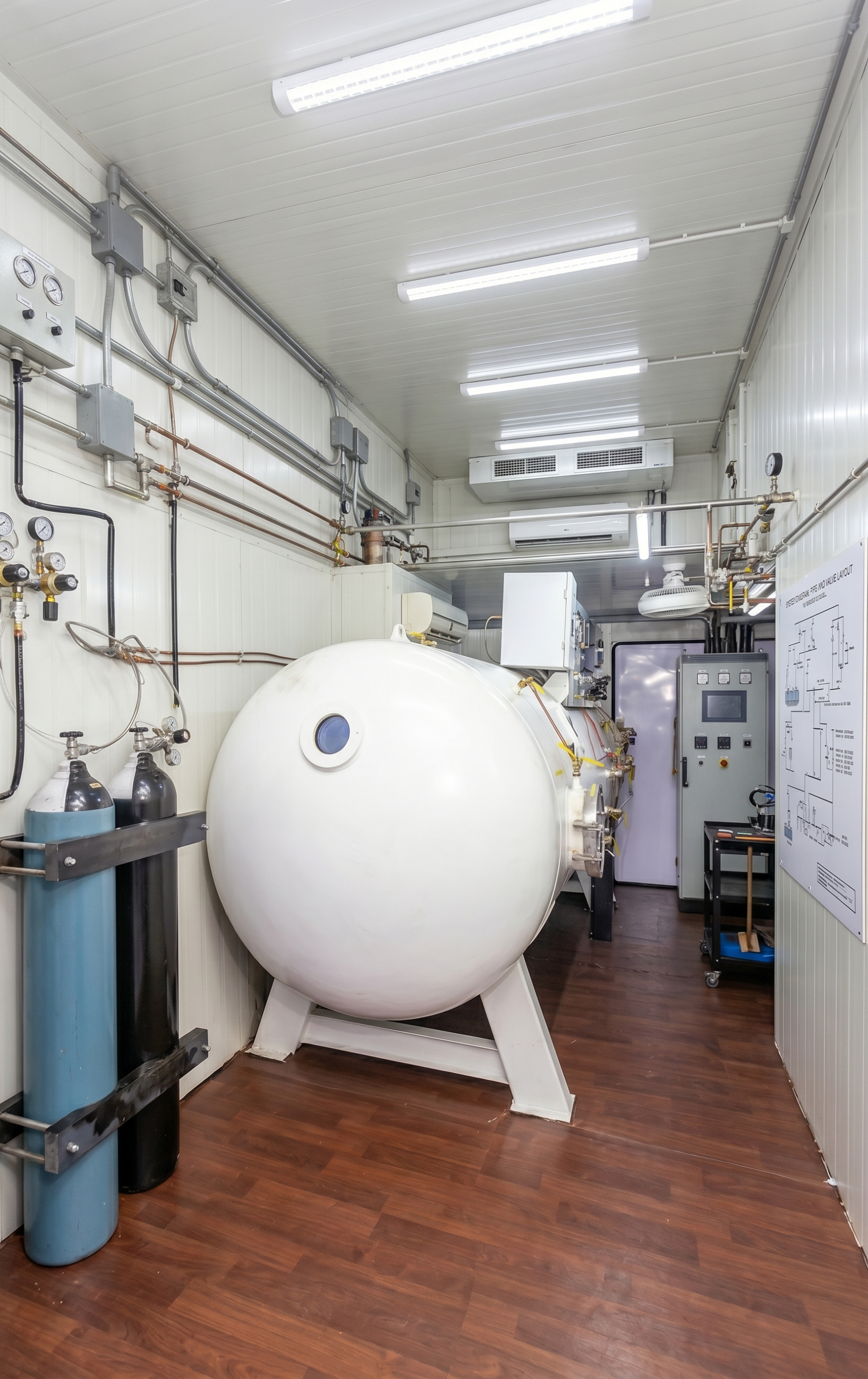
The 60-inch internal diameter Twin-Lock Air Decompression Chamber features an Entry Lock and a Main Lock for controlled air decompression. The twin-lock configuration enables safe personnel transfer without loss of chamber pressure during decompression procedures.
Technical Specification for 6 Men RCC
| Equipment | Specification |
|---|---|
|
Model No |
JK-ADC-CLASS |
|
Design Code |
ASME Section VIII Division 1 & PVHO-1 (2022) |
|
Maximum Allowable Working Pressure |
10 Bar |
|
Hydro Test Pressure |
15 Bar |
|
Internal Volume |
6 cubic meters |
|
Design Temperature Range |
-10°C (Minimum) +60°C (Maximum) |
|
Operating Temperature |
9.5°C |
|
Content Fluid |
Compressed Air |
|
Service |
Human Occupancy (6 Men) |
|
Material of Construction |
SA 516 Grade 70 |
|
Chamber Dimensions |
60″ Internal Diameter 142″ Length 70″ Width 76″ Height |
Design Standards
D018
Code of practice for the initial and periodic examination, testing, and certification of diving plant and systems
D023
Design for Surface Oriented (Air) Diving Systems
D037
Design for Surface Oriented (Mixed Gas) Diving Systems
These IMCA guidelines define requirements for the design, inspection, testing, and certification of diving plant and systems to ensure operational safety of air decompression chambers used in professional diving environments.
Air Decompression Chamber Construction
A 60-inch (1500 mm) Air Decompression Chamber featuring a twin-lock design with both an Entry Lock and a main lock, including a stainless steel medical lock. The chamber shell is constructed in accordance with IMCA and diving standards and is supplied with Class approval. A Class-stamped nameplate is affixed to the chamber at the lift or entrance door of the lock.
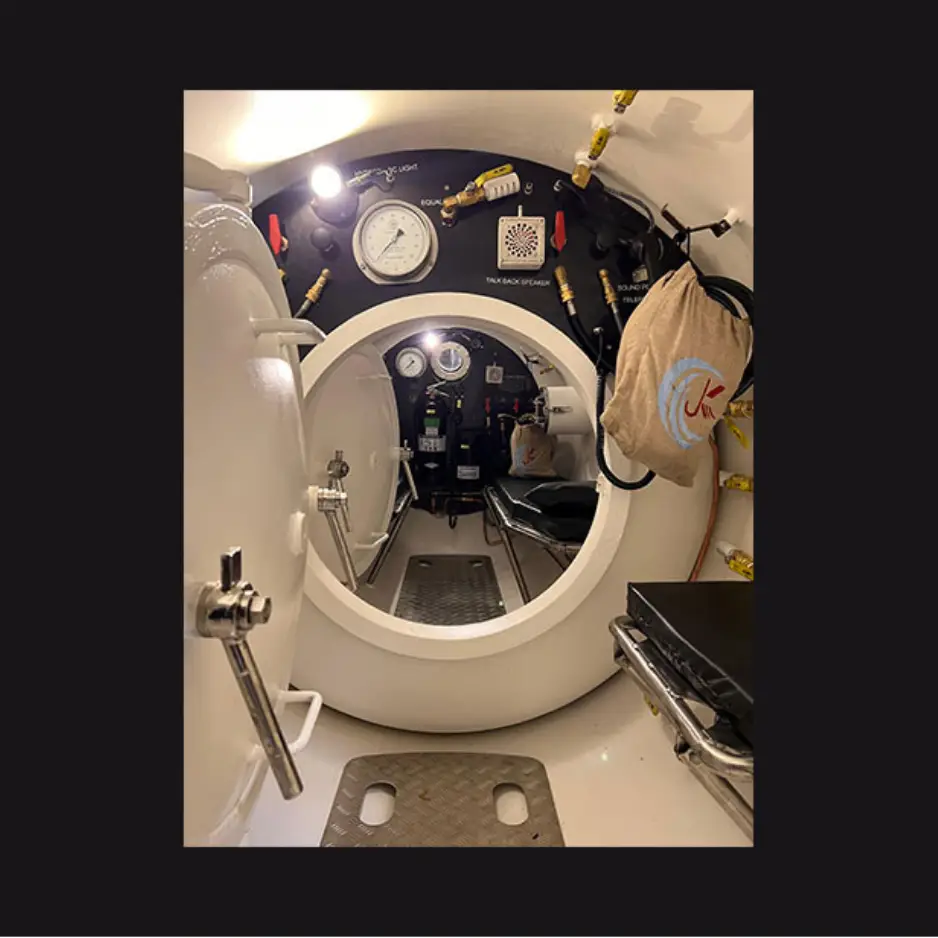
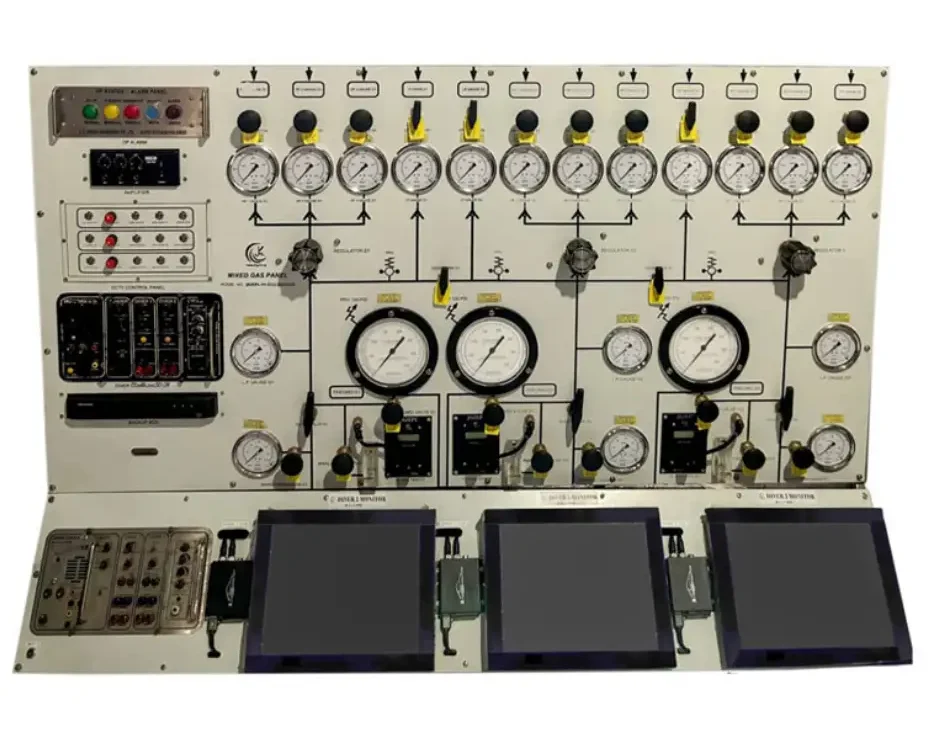
Chamber Control Panel
The Chamber Control Panel is mounted on the top of the Air Decompression Chamber, and placed inside the Container. The Control Panel is Designed so that it gets perfectly aligned at the eye level.
Note: If the air decompression chamber is mounted outside the chamber, then there is the possibility of making the remote Chamber Control Panel. So that the Chamber operator will Operate from the Remote Side, the air decompression chamber is to be permanently fixed to the confined space.
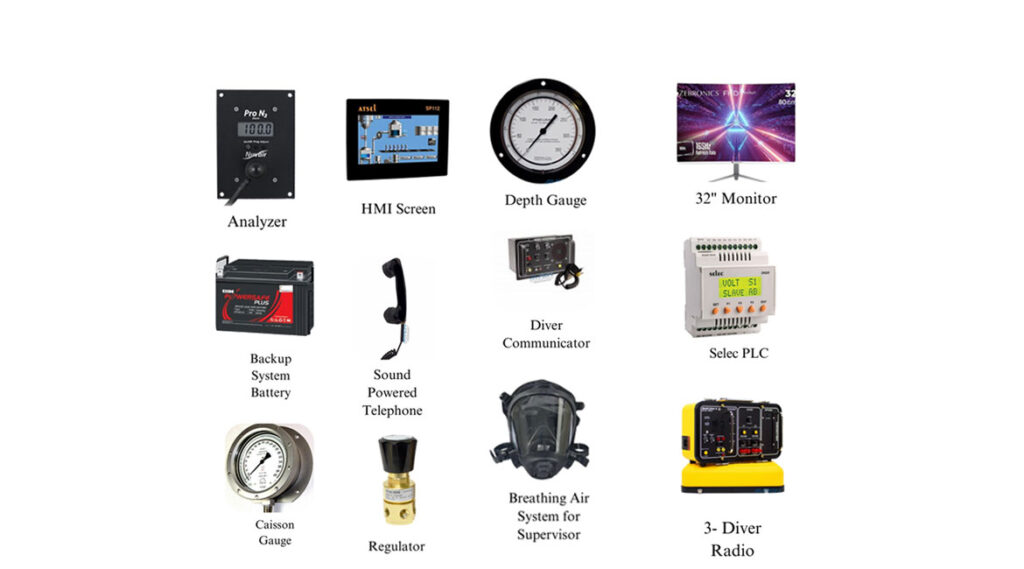
| Equipment | Specification |
|---|---|
|
Entry Lock Depth Gauge |
6″ Dual Scale 300 FSW/100 MSW |
|
Main Lock Depth Gauge |
6″ Dual Scale 300 FSW/100 MSW |
|
Therapeutic Gauge |
|
|
Portable Analyzer |
Oxygen Analyzer Carbon Dioxide Analyzer Environmental Analyzer |
|
Oxygen Supply Gauge |
4″ Pressure Gauge with Dual Scale PSI/Bar |
|
Low-Pressure High-Pressure Supply Gauge |
4″ Pressure Gauge with Dual Scale PSI/Bar |
|
Flowmeter |
To Release gas in Millibar |
|
Chamber Communicator |
Amron Radio |
|
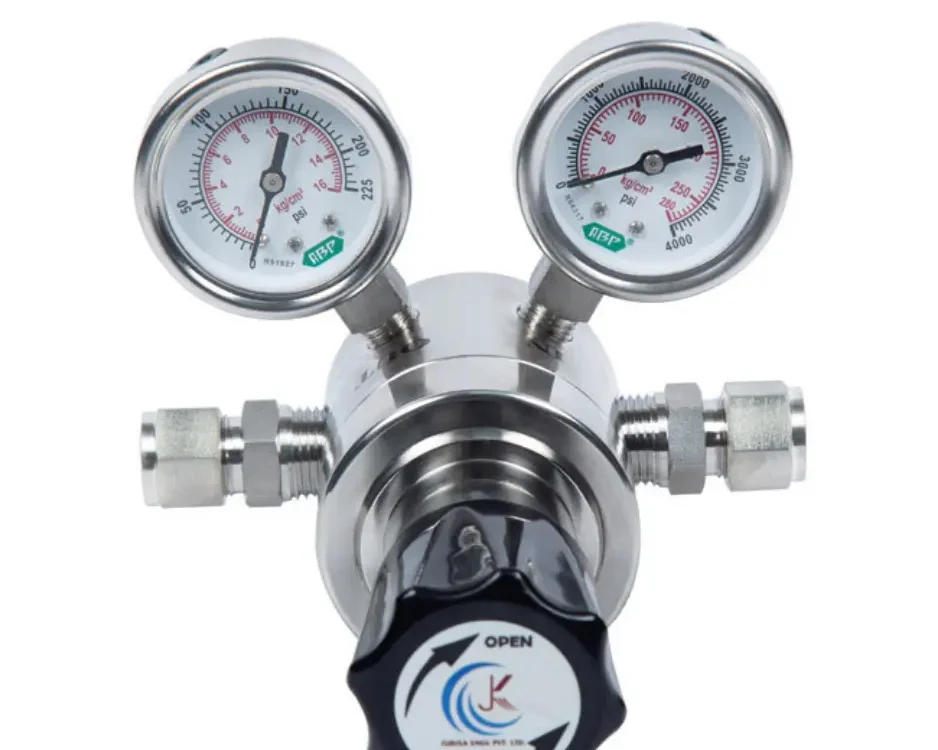
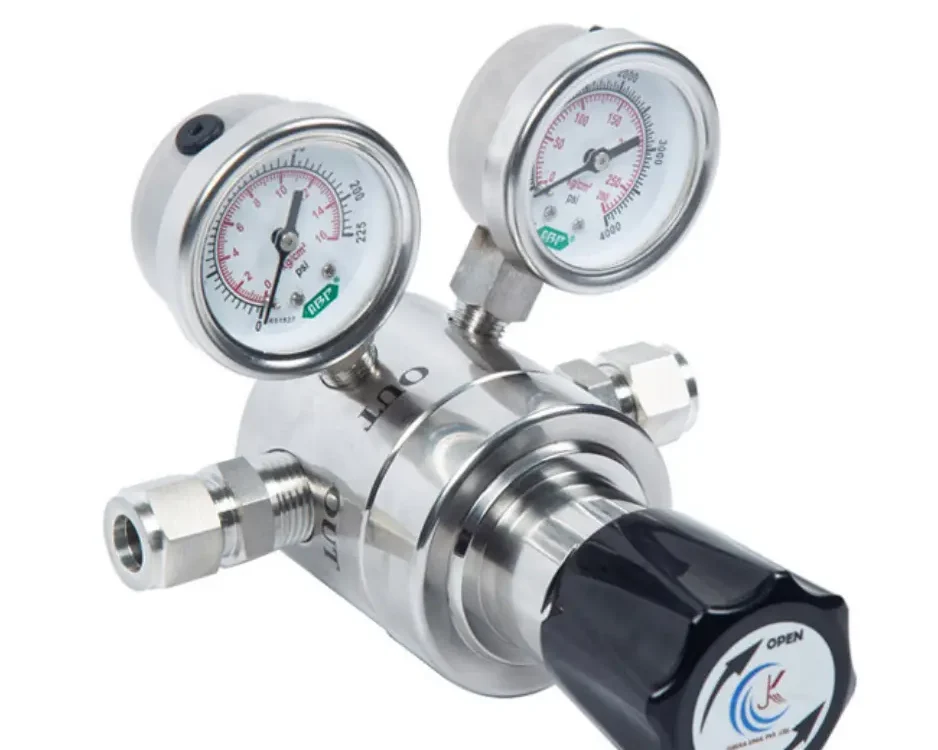
High-Pressure & Oxygen Regulator |
Tescom Make |
|
High Definition Monitoring System |
|
|
Programmable Logic Control with HMI Display |
This PLC is equipped with technical specs of the system, maintenance records of the system, calibration records of the system to record the temperature & relative humidity of the system, and various customizable features as per client requirements. |
|
Supervisor Breathing Apparatus Set in case of any emergency |
|
What’s Inside the Air Decompression Chamber
As the Air Decompression Chamber is a life-support and safety system used in offshore and commercial diving operations, several essential devices are installed inside the chamber to maintain a safe and controlled environment for personnel under pressure.
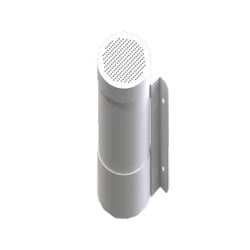
CO₂ Scrubber System
The CO₂ Scrubber system removes carbon dioxide from the chamber atmosphere. It uses a circulation fan to draw exhaled air through a soda lime absorbent, which chemically absorbs CO₂. This process maintains safe breathable air quality for divers and occupants during extended decompression periods.
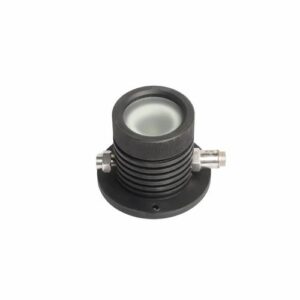
Hyperbaric Lighting
Specially designed hyperbaric lights provide internal illumination during pressurization and decompression. These lights are rated for operation in pressurized environments and are installed in both the Entry Lock and Main Lock to ensure visibility at all times.
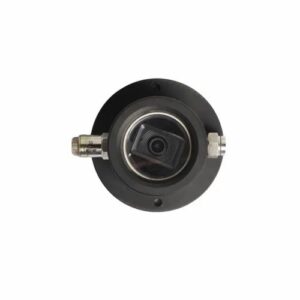
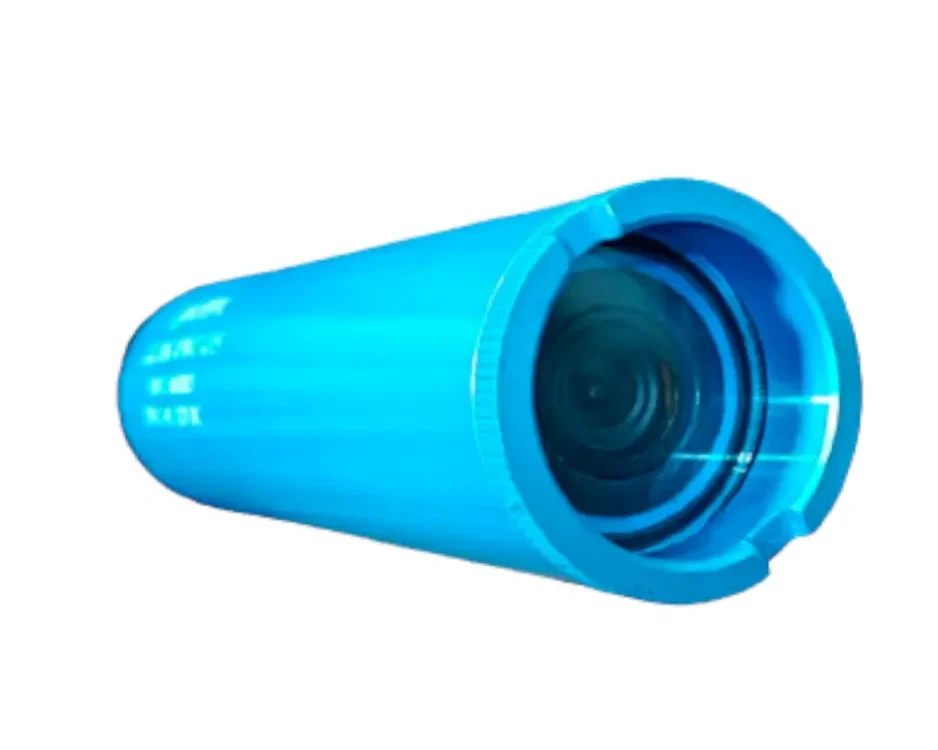
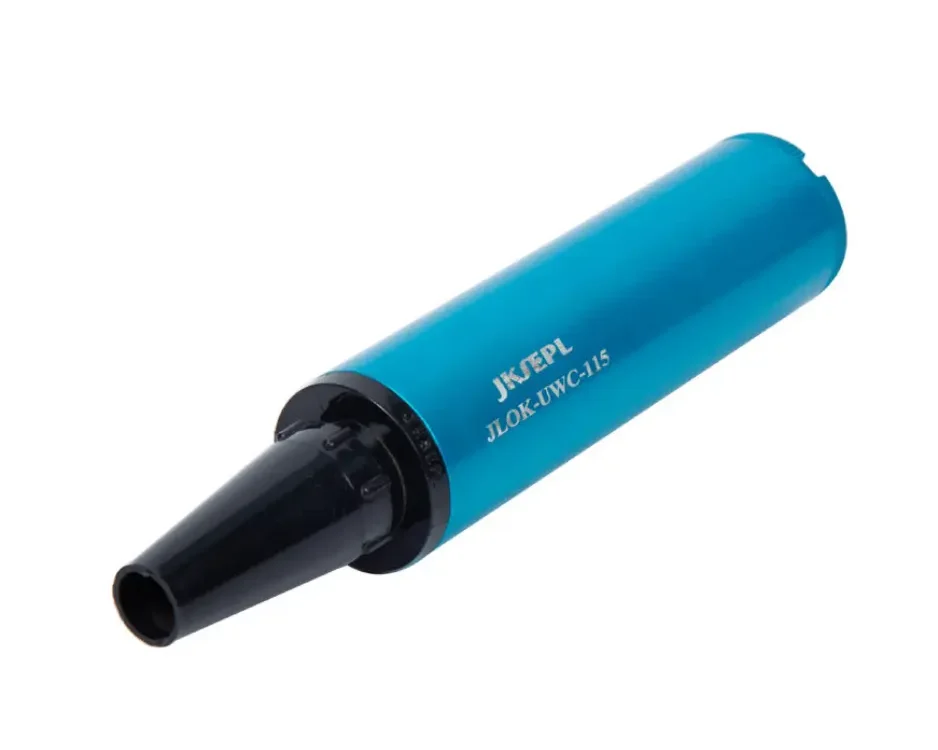
Hyperbaric Camera System
Cameras installed inside the chamber allow continuous monitoring of occupants during decompression. Video feed is transmitted to the Chamber Control Panel, enabling the operator to observe diver condition, movement, and safety without opening the chamber. Cameras are provided in both locks.
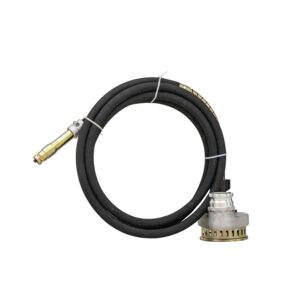
Built-In Breathing System (BIBS)
The BIBS provides oxygen to occupants inside the recompression chamber through a dedicated oxygen supply line. This system is used during therapeutic decompression or emergency treatment procedures, allowing controlled oxygen breathing without affecting overall chamber atmosphere.
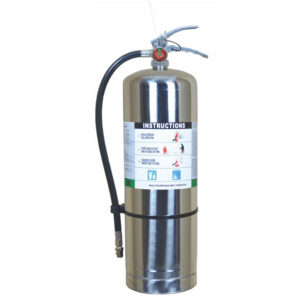
Hyperbaric Fire Extinguisher
A fire extinguisher certified for hyperbaric use is installed inside the chamber. It is designed to function safely in a pressurized, oxygen-enriched environment and forms an essential part of the chamber’s internal fire safety system.
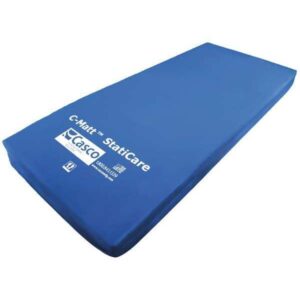
Fire Retardant Mattresses
Bunks inside both the Entry Lock and Main Lock are fitted with fire-retardant mattresses. These materials are selected to reduce fire risk and comply with hyperbaric safety requirements for human occupancy chambers.
Safety Features of the Air Decompression Chamber
The Air Decompression Chamber is engineered as a life-support system where diver safety is the highest priority. Multiple integrated safety systems are incorporated to ensure safe operation during both routine decompression and emergency recompression scenarios.
Certified Pressure Vessel for Human Occupancy
The chamber is designed and manufactured as a Pressure Vessel for Human Occupancy (PVHO). Structural integrity, material selection, welding procedures, and testing are carried out to ensure safe performance under repeated pressurization cycles.
Twin-Lock Configuration for Safe Diver Transfer
The dual-lock arrangement, consisting of a Main Lock and Entry Lock, allows personnel transfer without loss of internal pressure. This design supports medical lock operations and diver entry/exit while maintaining controlled chamber conditions.
Pressure Relief and Over-Pressurization Protection
The chamber is equipped with pressure relief valves and protection systems to prevent accidental over-pressurization. These devices safeguard both the structure and occupants during abnormal operating conditions.
Continuous Atmosphere Monitoring
Gas monitoring instruments continuously measure oxygen and carbon dioxide levels inside the chamber. This ensures that breathable air quality remains within safe limits throughout the decompression process.
Emergency Breathing and Life-Support Systems
Dedicated emergency breathing provisions, including the Built-In Breathing System (BIBS), allow occupants to receive oxygen during therapeutic treatment or emergency situations without affecting the overall chamber atmosphere.
Fire Safety in Hyperbaric Conditions
All internal fire safety equipment, including hyperbaric-rated fire extinguishers and fire-retardant materials, is selected for safe use in pressurized and oxygen-enriched environments.
Redundant Pressure Monitoring
Multiple pressure gauges and monitoring instruments are installed for both locks to ensure accurate pressure control and provide redundancy in case of instrument failure.
Emergency Communication System
A reliable communication system connects the chamber interior with the operator at the control panel, allowing continuous voice communication during pressurization and treatment operations.
Certifications & Quality Assurance
JK Subsea follows strict engineering and quality control procedures to ensure that each Air Decompression Chamber meets international safety and performance standards.
Controlled Quality Management System
Manufacturing activities are performed under established quality management procedures that cover design control, material handling, fabrication, inspection, and documentation.
ASME Pressure Vessel Fabrication
The chamber pressure shell is manufactured in accordance with ASME Section VIII Division 1, ensuring compliance with globally recognized pressure vessel construction standards.
PVHO Compliance
The chamber is designed to meet PVHO (Pressure Vessel for Human Occupancy) requirements, which govern safety aspects unique to hyperbaric chambers intended for human use.
IMCA Guideline Compliance
System design and safety philosophy follow IMCA recommendations for diving plant and system construction, inspection, and operational safety.
Third-Party Inspection and Certification
Independent inspection agencies can be involved during fabrication, testing, and final acceptance to provide class or third-party certification as required by clients or regulatory bodies.
Material Traceability and Qualified Welding
All pressure-retaining materials are traceable to mill certificates. Welding procedures are qualified, and welders are certified to ensure structural reliability.
Factory Acceptance Testing (FAT)
Each chamber undergoes hydrostatic pressure testing, functional testing of valves and systems, and documentation review before delivery.
Documentation and Certification Records
Complete documentation packages including design calculations, test reports, material certificates, and inspection records are provided for verification and regulatory approval.
Applications of Air Decompression Chamber
Commercial Surface Air Diving
Controlled decompression after underwater operations using compressed air.
Emergency Recompression Treatment
Immediate treatment for decompression sickness or pressure-related injuries.
Offshore Oil & Gas Diving Support
Installed on offshore platforms and diving vessels for subsea operations.
Subsea Construction and Marine Engineering
Supports underwater installation, welding, and inspection works.
Port and Harbor Infrastructure
Used during inspection and maintenance of marine civil structures.
Onshore Diving Support Bases
Provides decompression capability at land-based diving facilities
Diver Training and Hyperbaric Facilities
Used for diver training and emergency response simulation.
Why Choose JK Subsea Air Decompression Chamber
- Standards Compliance – Manufactured in accordance with IMCA and PVHO standards.
- Human Occupancy Design – Certified hyperbaric system for safe diver recompression.
- Twin-Lock Safety System – Allows diver transfer without pressure loss.
- Offshore & Onshore Compatibility – Suitable for vessel-mounted and fixed installations.
- Marine-Grade Construction – Built using certified materials for offshore environments.
- Reliable Repeated Operation – Designed for continuous pressurization cycles.
- Integrated Monitoring Systems – Equipped with gauges, analyzers, communication, and PLC control.
- Experienced Manufacturer & Supplier – JK Subsea specializes in professional air decompression chambers, air dive chambers, and recompression systems for offshore and marine industries.